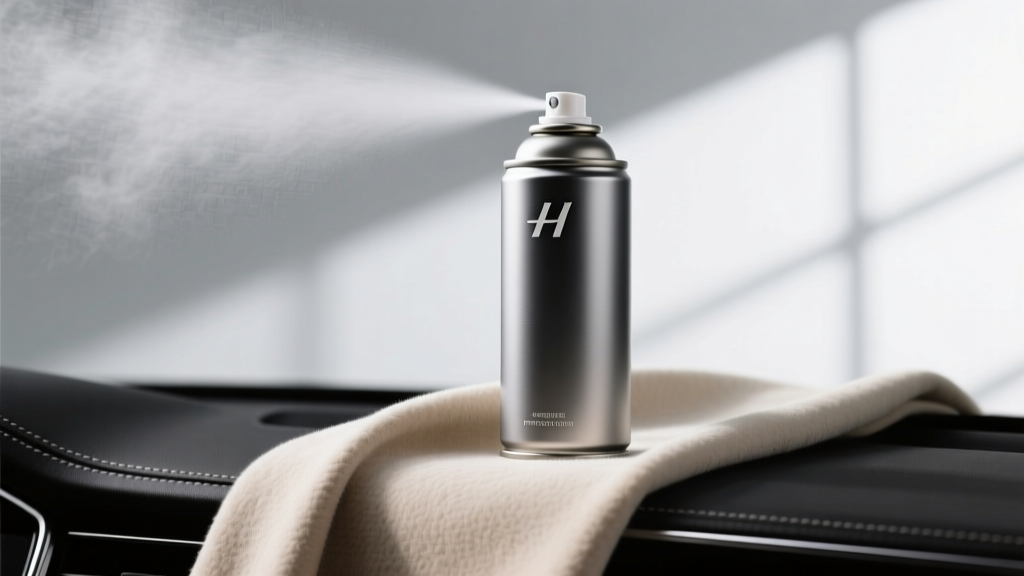
Fabric Protection Spray: Best Car Interior Solutions (2026)
If you?ve ever watched a coffee cup tip over on a light cloth seat, you already understand why fabric protection matters. Modern car interiors look great, but they live a hard life?UV exposure, daily friction from clothing, food spills, muddy shoes, pet paws, and the occasional mystery stain from the back seat. Once fabric absorbs a stain, cleaning becomes harder, odors linger longer, and the upholstery can start to look ?old? long before the car actually is.
A premium fabric protection spray helps you stay ahead of that wear and tear. Think of it like a rain jacket for your upholstery: it doesn?t make fabric invincible, but it can buy you time to blot a spill before it soaks in, reduce the likelihood of permanent staining, and make routine cleaning easier. The key is choosing the right type of protector and applying it correctly?because a great product applied poorly can leave you with uneven protection, stiff fabric, or spots that attract dirt.
This guide breaks down how premium fabric protectants work, which options fit different needs, and exactly how to apply them for clean, durable results.
What a Fabric Protection Spray Actually Does (and Doesn?t Do)
Fabric protection sprays create a thin, invisible barrier around fibers. That barrier is designed to:
- Repel liquids so spills bead up instead of soaking in immediately
- Slow staining from coffee, soda, juice, sauces, and road grime
- Reduce odor absorption by minimizing how deep contaminants penetrate
- Make cleaning easier since dirt sits closer to the surface
What it won?t do:
- Stop all stains forever (especially oil-based stains, dyes, and certain sunscreens)
- Replace cleaning?you still need to vacuum and wipe down regularly
- Work well on dirty fabric (protectors lock in what?s already there)
Real-world example: if a child drops a fruit punch pouch on an unprotected seat, it may soak in within seconds. On a protected seat, you often get a larger window?enough time to blot and lift the spill before it bonds to the fibers.
Types of Fabric Protectants: Choosing the Right Chemistry
Fluoropolymer-Based Protectants (High Performance)
Many premium fabric protection sprays use fluoropolymer technology. These are known for strong water and stain repellency with minimal change to fabric feel when applied correctly.
- Best for: daily drivers, families, ride-share vehicles, light-colored cloth
- Pros: excellent repellency, durable, typically doesn?t stiffen fabric if applied in light coats
- Cons: ventilation required; some formulas have stronger odor during application
Silicone / Polymer Water Repellents (Budget-Friendly, Water-Focused)
Some products lean more toward water repellency than stain resistance. They can help with rainwater, snow melt, and light spills, but may not resist dye-heavy stains as well.
- Best for: mats, trunks, utility interiors, quick refresh protection
- Pros: often easier to find and use
- Cons: may attract soil if overapplied; can alter fabric feel more noticeably
?Eco? or Water-Based Protectants (Low Odor, Gentle Use)
Water-based fabric protectors can be appealing for enclosed spaces because they?re usually lower odor. Performance varies widely by brand and formula.
- Best for: sensitive users, quick maintenance, mild protection needs
- Pros: generally easier on the nose; cleanup is simpler
- Cons: may require more frequent reapplication for comparable protection
Where Fabric Protection Helps Most Inside a Car
Premium fabric protection spray is most valuable on high-contact, high-risk areas:
- Cloth seats: especially bolsters, seat bottoms, and child seat zones
- Carpets: driver footwell, rear passenger footwell, trunk area
- Fabric door inserts and armrests: exposed to skin oils and drinks
- Headliners (carefully): only with appropriate technique to avoid oversaturation
If your interior is a mix of materials, keep protectors specific to the surface. A fabric spray is for cloth and carpet. For leather, vinyl, and synthetic leather, use dedicated interior protectants designed for those materials.
Step-by-Step: How to Apply Fabric Protection Spray Like a Pro
What You?ll Need
- Vacuum with crevice tool
- Interior fabric cleaner (as needed)
- Microfiber towels
- Soft interior brush (optional but helpful)
- Premium fabric protection spray
- Nitrile gloves and a mask (recommended)
1) Prep the Surface (This Is Where Most Results Are Won)
- Thoroughly vacuum seats, seams, and carpet edges. Remove grit?grit causes wear and prevents even coating.
- Spot clean stains first. If you protect over stains, you?re basically sealing them in.
- Let everything dry completely. Protectant adheres best to dry fibers.
2) Test First in an Inconspicuous Area
- Pick a hidden spot (under the seat edge or rear corner).
- Apply a light mist and let it dry.
- Confirm there?s no discoloration, spotting, or texture change.
3) Ventilate and Mask What You Don?t Want Coated
- Open doors, work in a garage with airflow or outdoors in shade.
- Protect nearby plastics, screens, and glass if overspray is likely.
- Avoid spraying near steering wheels and pedals?slippery residue is not worth the risk.
4) Apply Light, Even Coats (Don?t Flood the Fabric)
- Hold the can/bottle about 6?10 inches from the fabric (follow the label if it specifies a distance).
- Spray in a crosshatch pattern:
- First pass left-to-right
- Second pass front-to-back
- Focus on uniform coverage. You want damp fibers, not soaking wet fabric.
Practical tip: On seats, give extra attention to bolsters and the center section where most spills happen. On carpets, concentrate on the driver?s footwell and entry zones where wet shoes land.
5) Let It Cure, Then Apply a Second Coat (If the Product Allows)
- Allow the first coat to dry per product directions (often 1?4 hours).
- Apply a second light coat for better durability and more even protection.
- Let the interior cure fully before heavy use (often 12?24 hours). If the car must be used sooner, avoid spills and keep windows slightly cracked if safe to do so.
6) Verify Protection with a Controlled Water Test
After full cure, sprinkle a few drops of water in a hidden area. You?re looking for beading. If water soaks in immediately, coverage may be too light or cure time wasn?t sufficient.
Premium Product Recommendations and Comparisons
There are many strong fabric protectors on the market. These are well-known options that car owners commonly choose for interior fabric and carpet protection:
303 Fabric Guard
- Best for: strong water repellency on fabric and carpet; great for high-use vehicles
- Why enthusiasts like it: durable results, widely trusted, good balance of performance and ease of use
- Watch for: apply lightly to avoid stiffness; allow full cure time
Scotchgard Auto Fabric & Carpet Protector
- Best for: accessible, straightforward protection for seats and carpet
- Why it works: easy to find, beginner-friendly, reliable short-to-mid-term protection
- Watch for: multiple light coats outperform one heavy coat
Gtechniq I1 Smart Fabric (Coating-Style Protection)
- Best for: owners wanting a more ?coating-like? approach and longer intervals between applications
- Why enthusiasts like it: premium performance, excellent hydrophobic behavior when applied correctly
- Watch for: more sensitive to proper prep and controlled application; follow cure times closely
CarPro CQUARTZ Fabric 2.0 (Coating-Level Protection)
- Best for: maximum stain resistance and longevity on cloth and convertible tops (where appropriate)
- Why it stands out: strong performance, especially for light interiors and high-spill environments
- Watch for: careful, even application is crucial; ventilation recommended
Quick comparison tip: If you want a simple, widely available spray, start with an auto-specific Scotchgard or 303 Fabric Guard. If you want longer-lasting, premium-level protection and don?t mind stricter prep and cure steps, consider Gtechniq I1 or CarPro Fabric.
How Long Does Fabric Protection Last?
Durability depends on product chemistry, application quality, and how you use the vehicle. As a general expectation:
- Daily driver cloth seats: reapply every 3?6 months for spray protectants; longer for coating-style products
- Carpets and mats: 3?4 months in wet/snowy climates; 6 months in dry climates
- Kids/pets frequent use: expect shorter intervals and prioritize spill zones
Signs it?s time to reapply:
- Water stops beading and starts soaking in quickly
- Stains ?grab? faster than they used to
- Fabric looks dingier between cleanings
Common Mistakes to Avoid
- Skipping cleaning and spraying over dirt: you?ll lock in grime and reduce bonding to fibers.
- Overapplying until the fabric is soaked: can cause stiffness, uneven spots, long dry times, and residue transfer.
- Not allowing proper cure time: using the seats too early can reduce durability and lead to blotchy performance.
- Spraying in poor ventilation: many protectants have strong fumes; airflow matters for comfort and safety.
- Ignoring overspray: protectants can leave a film on plastic, glass, or touchscreens. Wipe accidental overspray immediately.
- Assuming one coat is enough: two light coats usually beat one heavy coat for even coverage.
Practical Tips for Better Results (That Most People Skip)
- Use bright lighting: a handheld work light helps you see wet edges and avoid missed patches.
- Work in sections: driver seat base, then backrest, then passenger seat, then rear seats. This keeps coverage consistent.
- Address the ?spill triangle?: seat center, cupholder-side bolster, and the seat-front edge where drinks tip during entry/exit.
- Protect floor mats separately: remove mats, clean, dry, spray outdoors, and let them cure fully before reinstalling.
- Blot?don?t rub?when spills happen: protection buys time, but rubbing can push liquid deeper into fibers.
FAQ: Premium Fabric Protection Spray
Can I use fabric protection spray on Alcantara or suede-like materials?
Use caution. Some protectants can darken or change the feel of Alcantara and microfiber suede. If you have these materials, choose a product specifically approved for Alcantara-style surfaces, test in a hidden area, and apply the lightest possible coats.
Will fabric protection spray change the color or texture of my seats?
Premium products applied in light coats usually dry invisible. Heavy application is the most common reason for stiffness or darkening. Always test first and avoid soaking the fabric.
Do I need to reapply after shampooing seats or extracting carpets?
Yes. Deep cleaning methods (shampooing, steam, hot water extraction) typically remove or weaken the protective layer. Plan to reapply once the fabric is fully dry.
What?s the difference between a ?spray? and a ?fabric coating??
Sprays are typically quicker and easier, with shorter reapplication intervals. Fabric coatings tend to be more durable and water-repellent, but they demand better prep, controlled application, and stricter cure times.
Is fabric protection safe around kids and pets?
Once fully cured and dry, many products are fine for normal use, but always follow the label, ventilate during application, and keep kids/pets out of the car until curing is complete. If you?re sensitive to odors, consider lower-odor, water-based options and allow extra curing time.
Can I use fabric protection spray on the headliner?
It?s possible, but risky. Headliners can sag if oversaturated because the adhesive is sensitive to moisture and solvents. If you must, use very light misting, avoid soaking, and consider leaving headliners untreated unless you have a specific issue to address.
Next Steps: Protect, Maintain, and Keep It Looking New
Start with a clean, dry interior, choose a premium fabric protection spray that matches your needs, and apply two light coats with proper curing time. Once protected, keep a small interior cleaning kit in the trunk?microfibers and a gentle fabric cleaner?so you can blot spills quickly and preserve the barrier you just applied.
If you want more straightforward ways to keep seats, carpets, and trim looking factory-fresh, explore more interior care guides at carinteriormix.com.